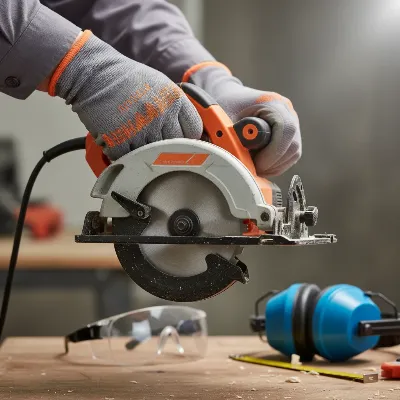
Few things are as disheartening in woodworking as seeing a perfectly planned cut marred by unsightly burn marks from your circular saw. That acrid smell and darkened edge signal more than just a cosmetic flaw; they indicate excessive friction and heat that can damage your material, dull your blade prematurely, and even put a strain on your saw’s motor. As an experienced technician with a decade dedicated to understanding all types of saws, especially circular saws, I’ve seen countless instances of this frustrating issue. This guide will delve into the root causes behind wood burning, offer immediate fixes, and provide comprehensive preventative measures to ensure your cuts are always clean, precise, and burn-free.
Understanding Circular Saw Burn Marks
Burn marks on wood are essentially areas where the intense friction between the saw blade and the material generates enough heat to scorch the wood fibers. This isn’t just an aesthetic problem; the excessive heat can also harden the wood, making it more difficult to sand out the marks, and can even contribute to premature dulling or warping of your saw blade. Recognizing these marks as a warning sign is the first step toward correcting the issue and extending the life of both your workpiece and your tools. The key is to minimize friction and ensure efficient material removal during every cut.
Primary Causes of Wood Burning with a Circular Saw
Several factors can conspire to cause your circular saw to burn wood. Identifying the specific culprit in your setup is crucial for effective troubleshooting.
Dull or Dirty Blades
Table is empty.One of the most common reasons for burning is a dull or dirty blade. As you cut, resin and pitch from the wood can build up on the blade’s teeth and body. This sticky residue effectively thickens the blade and reduces the efficiency of the teeth, increasing friction. Similarly, if the carbide tips are worn or chipped, the blade can’t cut cleanly, forcing the saw to rub and generate excessive heat rather than slice through the wood fibers. A dirty blade will behave much like a dull one, struggling to clear sawdust.
Incorrect Blade Type for Material/Cut
Not all blades are created equal, and using the wrong one for the job is a surefire way to induce burning. Blades are designed with varying tooth counts, geometries, and kerf widths for specific tasks:
- Ripping Blades: Typically have fewer teeth (12-30T) with larger gullets (the spaces between teeth) to aggressively clear sawdust when cutting along the grain. Using a high-tooth-count blade for ripping will pack the gullets with sawdust, increasing friction.
- Crosscut Blades: Feature more teeth (60-80T) with smaller gullets and different tooth grinds (like Alternate Top Bevel – ATB) for smooth, precise cuts across the grain. Using a low-tooth-count ripping blade for crosscutting can lead to tear-out and burning due to inefficient cutting.
- Plywood/Engineered Wood Blades: Require high tooth counts (60-100T) and specific grinds (like TCG – Triple Chip Grind or high ATB) to prevent splintering and burning on delicate veneers.
- Hardwood Blades: Denser woods require blades with an appropriate tooth count (often 40-60T ATB) to achieve clean cuts without bogging down the saw and causing friction.
Improper Feed Rate
The speed at which you push the saw through the wood, known as the feed rate, significantly impacts heat generation.
- Too Slow: If you feed the wood too slowly, the blade’s teeth repeatedly rub against the same wood fibers, generating excessive friction and heat. This is a very common cause of burn marks.
- Too Fast: Conversely, pushing the saw too quickly can overload the motor and cause the blade to bind or slow down, also increasing friction and potentially leading to burning or kickback. A consistent, steady feed rate, allowing the blade to do its work, is ideal.
Blade Binding and Pinching
Binding occurs when the wood closes in on the saw blade during a cut, trapping it and causing immense friction. This can happen for several reasons:
- Internal Wood Tensions: Some wood, especially hardwoods or those with internal stresses, can “move” as it’s cut, closing the kerf behind the blade.
- Misaligned Fence/Guide: If your saw’s fence or guide isn’t perfectly parallel to the blade, it can force the wood into the side of the blade, causing it to pinch and burn.
- Improper Workpiece Support: Lack of adequate support for the workpiece, particularly long boards or sheet goods, can allow the wood to sag or twist, pinching the blade.
- Lack of a Splitter/Riving Knife: These safety features keep the kerf open behind the blade, actively preventing the wood from pinching.
Insufficient Power or Speed
An underpowered saw or one struggling to receive adequate voltage can lead to a significant drop in blade RPM. When the blade spins too slowly, it can’t clear material efficiently, resulting in more rubbing and burning.
- Extension Cord Issues: Using an extension cord that is too long or too thin (low gauge) can cause a voltage drop, starving the saw of power.
- Underpowered Saw: Some saws simply lack the motor strength for demanding cuts, especially in dense hardwoods.
Incorrect Blade Depth
Setting the blade depth incorrectly can also contribute to burning. For optimal cutting efficiency and chip ejection, the blade should protrude slightly below the workpiece – typically by about one full tooth or 1/4 inch. If the blade is set too shallow, it creates a less aggressive cutting angle and forces the upper portion of the blade to rub excessively, generating heat.
Blade Wobble or Misalignment
A blade that wobbles or isn’t perfectly aligned can cause friction along the sides of the kerf. This can stem from:
- Loose Arbor Nut: The blade isn’t securely fastened.
- Worn Arbor Washers: These flat rings on either side of the blade help hold it steady. If they are worn or dirty, they can’t do their job.
- Bent or Damaged Blade: A warped blade will never cut straight and will inevitably rub.
- Dirty Arbor Shaft: Debris on the shaft can prevent the blade from sitting flush.
Choosing the Right Blade to Prevent Burning
Selecting the correct circular saw blade is paramount to achieving clean, burn-free cuts. It’s not a one-size-fits-all solution; different materials and cut types demand specific blade characteristics.
Tooth Count and Configuration
The number of teeth (T) and their grind (configuration) are critical.
- For Ripping (Along the Grain): Opt for blades with a lower tooth count (12-30 teeth) and a Flat-Top Grind (FTG). These blades have larger gullets that efficiently clear the large chips produced when cutting with the grain, reducing friction and heat buildup.
- For Crosscutting (Across the Grain): Choose blades with a higher tooth count (60-80 teeth) and an Alternate Top Bevel (ATB) grind. The increased number of teeth creates a smoother shearing action, minimizing tear-out and burning on the end grain.
- For Plywood, MDF, and Laminates: These materials benefit from very high tooth counts (often 80-100 teeth) with ATB or Triple Chip Grind (TCG) configurations. This design ensures extremely clean cuts and prevents the delicate outer layers from chipping or burning.
- For Hardwoods: A general-purpose blade with 40-60 teeth, often with an ATB grind, provides a good balance of cutting efficiency and a clean finish without excessive burning. Dense hardwoods benefit from quality carbide tips that stay sharp longer.
Kerf (Thin vs. Full)
The kerf is the width of the cut made by the blade.
- Thin Kerf Blades: These blades are thinner, removing less material during a cut. This reduces the load on the saw, creates less sawdust, and generates less friction, making them excellent for preventing burns, especially with underpowered saws or when conserving material. They are also ideal for cordless saws to maximize battery life.
- Full Kerf Blades: Thicker and more robust, these blades are generally used on more powerful saws and in heavy-duty applications. While they offer greater stability, they also remove more material, potentially leading to more friction if other factors aren’t optimized.
Blade Material
Most modern circular saw blades are carbide-tipped. Carbide is significantly harder and more durable than steel, allowing the teeth to remain sharp for longer, even when cutting abrasive materials. Higher-quality carbide tips also dissipate heat more effectively, further reducing the risk of burning. Investing in blades with quality carbide tips from reputable manufacturers is a wise decision for preventing burn marks and ensuring longevity.
Techniques for Burn-Free Cutting
Beyond blade selection and maintenance, your cutting technique plays a crucial role in preventing burn marks. Mastering these fundamental techniques will not only eliminate scorching but also improve the accuracy and safety of your work.
Optimizing Feed Rate
The “sweet spot” for feed rate is where the saw cuts efficiently without slowing down or being forced.
- Maintain Consistency: Avoid stopping or pausing mid-cut, as this allows the blade to rub in one spot, causing immediate burning. Keep the saw moving smoothly and steadily from start to finish.
- Let the Saw Do the Work: Don’t push too hard. The saw should feel like it’s gliding through the material. If you’re straining or the motor is bogging down, either your feed rate is too fast, your blade is dull, or the setup is incorrect.
- Listen to Your Saw: The sound of the motor can be a good indicator. A steady, consistent hum indicates optimal performance. If it starts to whine or labor, adjust your feed rate.
Ensuring Workpiece Support and Stability
Proper support prevents the workpiece from moving, twisting, or pinching the blade.
- Full Support: When cutting large sheets like plywood, ensure the entire sheet is adequately supported, for example, on a sacrificial foam board or a well-designed sawhorse setup. Cutting over unsupported areas can cause the wood to sag and pinch the blade.
- Clamping: Secure smaller workpieces with clamps to prevent movement during the cut. This promotes a straight feed and reduces the chance of the blade binding.
- Wedges for Ripping: For long rip cuts in solid wood, especially if the wood has internal tensions, inserting wedges into the kerf behind the blade can help keep the cut open and prevent pinching.
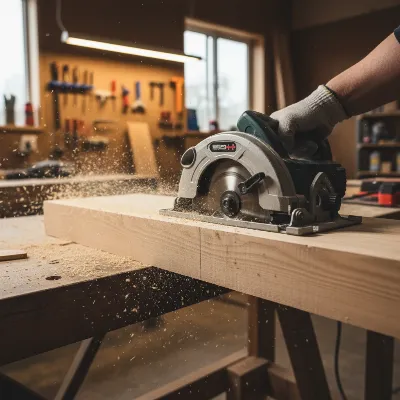 Circular saw cutting through wood with no burn marks, clean edge
Proper Blade Depth Setting
As a rule of thumb, set your blade depth so that the lowest point of the blade extends approximately 1/4 inch (or about one full tooth) below the material you are cutting.
- Efficient Chip Ejection: This shallow protrusion allows the blade teeth to cut at an optimal angle and helps the gullets efficiently clear sawdust from the kerf, preventing buildup and friction.
- Reduced Kickback Risk: While seemingly counter-intuitive, a slightly deeper blade setting actually reduces the risk of kickback compared to a very shallow setting.
Using Guides and Fences
Accuracy and straightness are key to avoiding side friction.
- Straight Cuts: Always use a fence, straightedge guide, or track saw system when making long, critical cuts. This ensures the saw travels in a perfectly straight line, preventing the blade from rubbing against the sides of the kerf.
- Check Alignment: Before starting a project, double-check that your saw’s shoe and any attached guides are perfectly parallel to the blade. Any misalignment will force the blade to cut at an angle, increasing friction and causing burning.
Essential Circular Saw Maintenance to Avoid Burning
Regular maintenance is the bedrock of burn-free cutting and tool longevity. Neglecting your saw blade and components is an open invitation for scorching.
Regular Blade Cleaning
Resin and pitch buildup are notorious for causing blades to act dull and burn wood.
- After Each Use: Make it a habit to inspect your blade after each significant cutting session, especially when working with sappy woods like pine.
- Cleaning Solutions: Use specialized saw blade cleaner, oven cleaner, or a mixture of warm water and mild detergent. Apply the cleaner, let it soak briefly (following product instructions), and then scrub the blade gently with a non-abrasive brush (like an old toothbrush or brass brush).
- Rinse and Dry: Always rinse the blade thoroughly to remove all cleaning solution and dry it immediately to prevent rust.
Blade Sharpening or Replacement
Even the highest quality carbide tips will eventually dull.
- Signs of Dullness: Look for burn marks appearing more frequently, increased resistance during cuts, excessive splintering, or if the saw seems to labor more than usual.
- Professional Sharpening: For carbide-tipped blades, professional sharpening is often the best option, as it requires specialized equipment and expertise to maintain the correct tooth geometry.
- Timely Replacement: If teeth are chipped, missing, or the blade is warped, it’s time for a replacement. A new, sharp blade is often the quickest and most effective fix for persistent burning. Keep a selection of sharp, appropriate blades on hand.
Checking Saw Alignment and Components
Periodically inspect your saw for mechanical issues that could contribute to burning.
- Arbor and Washers: Ensure the arbor shaft is clean and free of debris. Inspect the arbor washers (the discs that sandwich the blade) for wear or damage. Replace them if they are no longer flat and true.
- Blade Security: Always ensure the blade is installed correctly and the arbor nut is tightened securely. A loose blade will wobble and cause friction.
- Riving Knife/Splitter: If your saw has a riving knife or splitter, ensure it is properly aligned with the blade. This component is crucial for preventing the wood from pinching the blade behind the cut.
Troubleshooting Specific Burning Scenarios
Certain wood types and cutting directions are more prone to burning. Understanding these nuances can help you apply targeted solutions.
Burning on Hardwoods
Hardwoods like oak, maple, and cherry are denser and often more prone to burning due to increased friction and their inherent stiffness.
- Choose High-Quality Blades: Invest in premium carbide-tipped blades with an appropriate tooth count (40-60T ATB) designed for hardwoods.
- Monitor Feed Rate Closely: Hardwoods often require a slightly slower, but still consistent, feed rate compared to softwoods to prevent bogging down the saw.
- Ensure Saw Power: Use a saw with adequate motor power for dense materials and ensure proper voltage supply.
Burning on Plywood/Engineered Wood
Plywood, MDF, and particle board can burn or splinter easily, especially on the top or bottom veneers.
- High-Tooth-Count Blades: Use blades specifically designed for these materials, typically with 60-100 teeth and ATB or TCG grinds, to achieve ultra-clean cuts.
- Support Fully: Always support the entire sheet of plywood on a sacrificial surface (like rigid foam insulation) to prevent sagging and ensure a smooth, stable cut.
- Score First (Optional): For very delicate veneers, a very shallow scoring pass can sometimes help prevent tear-out and burning on the surface before making the full-depth cut.
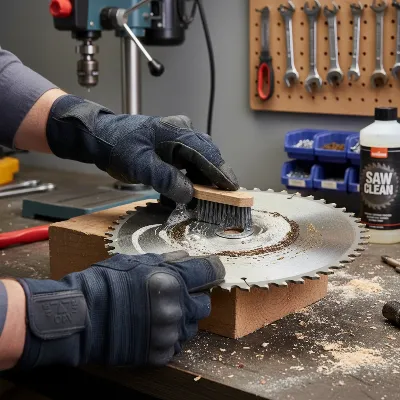 Close up of a circular saw blade being cleaned to remove pitch and resin, preventing burning
Burning During Rip Cuts vs. Crosscuts
Burning can manifest differently depending on whether you are cutting along or across the grain.
- Rip Cuts (Along the Grain): Burning during rip cuts is often due to the wood pinching the blade, a dull ripping blade, or an inconsistent feed rate. Using a dedicated ripping blade (low tooth count) and employing wedges to keep the kerf open are key.
- Crosscuts (Across the Grain): Burning here is usually a sign of a dull crosscut blade, too slow a feed rate, or using a blade with too few teeth. Ensure you have a sharp, high-tooth-count blade for crosscutting.
Recommended Circular Saw Brands & Blades
While specific saw brands don’t inherently prevent burning, investing in quality tools and, more importantly, high-performance blades from reputable manufacturers significantly reduces the likelihood. Brands renowned for their durable and precise saw blades, often featuring advanced carbide technology and specialized tooth geometries, include Freud (Diablo), Makita, DeWalt, Bosch, and Milwaukee. These brands offer a wide range of blades tailored for different materials and cut types, ensuring you can find the right match for your project. A quality blade from one of these brands, when properly maintained and used, will consistently outperform cheaper alternatives, providing cleaner cuts and reducing the risk of burning. Always prioritize the blade’s quality and suitability for your task over generic options.
“A sharp blade is a safe blade, and a clean blade is an efficient blade. Most burning issues can be traced back to neglecting these two fundamentals.” – Admin, ReviewsBlaze.com, Circular Saw Specialist
Conclusion
Encountering burn marks from your circular saw is a common but entirely preventable problem. By systematically addressing the potential causes—from maintaining a sharp, clean, and appropriate blade to optimizing your cutting techniques and ensuring your saw is properly aligned—you can eliminate this frustrating issue. Remember, patience and precision are your greatest allies in the workshop. Investing a little time in understanding your tools and materials, coupled with diligent maintenance, will not only safeguard your projects from scorching but also significantly enhance the longevity and performance of your Circular Saw. Don’t let burn marks dampen your woodworking enthusiasm; empower yourself with knowledge and precise execution. What steps will you take today to achieve consistently clean, burn-free cuts?
Frequently Asked Questions
Why does my circular saw burn wood only on one side?
Burning on one side often indicates a misalignment issue. Check if your saw’s fence or guide is perfectly parallel to the blade. If the fence is angled even slightly, it can force the wood into one side of the blade, creating excessive friction and burning on that specific edge.
Can a cheap circular saw blade cause burning?
Yes, a cheap blade is more prone to burning. Lower quality blades may dull faster, have poorly designed tooth geometries, or lack effective anti-friction coatings. These factors all contribute to increased friction and heat, leading to burn marks, especially when cutting denser materials.
How do I clean pitch and resin off my circular saw blade?
To clean pitch and resin, remove the blade from the saw and soak it in a specialized blade cleaner or oven cleaner for several minutes. Alternatively, a mixture of warm water and mild detergent can work. Then, scrub the blade with a stiff nylon or brass brush, paying close attention to the teeth, and rinse thoroughly before drying completely to prevent rust.
Does cutting wet wood contribute to burning?
Cutting wet or damp wood can indeed contribute to burning. The moisture content can cause the wood to be less stable and can also lead to more pitch and resin buildup on the blade. Furthermore, the blade may have to work harder to cut through the denser, wet material, generating more heat.
What is “kickback” and how is it related to burning?
Kickback is a dangerous condition where the saw blade binds in the material and the saw rapidly propels backward or upward towards the user. It is often caused by blade pinching, dull blades, or improper cutting technique—many of the same factors that cause wood burning. Both are indicators of excessive friction and force on the blade, making prevention of one often prevent the other.