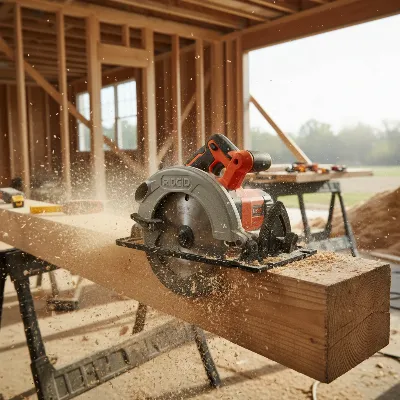
For anyone who tackles woodworking projects, from building simple shelves to renovating a home, a circular saw is an indispensable tool. Its ability to make quick, precise cuts across various materials makes it a cornerstone of any workshop or job site. In the world of power tools, cordless circular saws have revolutionized how we work, offering unparalleled freedom from outlets and tangled cords. Among the myriad options, the Ryobi ONE+ 18V Cordless Circular Saw series stands out as a formidable contender, particularly for DIY enthusiasts and prosumers seeking a balance of performance, versatility, and value. This comprehensive review delves into what makes these Ryobi saws a popular choice, examining their features, performance, and practical applications to help you determine if it’s the right fit for your toolbox.
Overview of Circular Saws
A circular saw is a power tool defined by its rotating, toothed blade designed to cut through materials like wood, plastic, metal, and masonry with speed and accuracy. Invented in the late 18th century, these saws have evolved significantly, moving from stationary sawmill behemoths to highly portable handheld devices. Generally, circular saws are categorized into two main types: corded and cordless. Corded models offer continuous, unwavering power, making them ideal for extended, heavy-duty tasks where a power source is readily available.
Cordless circular saws, like the Ryobi ONE+ 18V models, provide the immense benefit of portability and flexibility, allowing users to work in remote locations or without the hassle of managing cords. This convenience, however, often comes with a trade-off in raw, sustained power compared to their corded counterparts, and their runtime is limited by battery capacity. Despite this, advancements in battery technology and brushless motors have dramatically closed this performance gap, positioning high-quality cordless saws as a primary choice for many users. The primary advantages of any well-designed circular saw include its efficiency for straight cuts, adaptability for various materials with the right blade, and the potential for angled and bevel cuts.
Understanding the Ryobi ONE+ 18V Cordless Circular Saw
The Ryobi ONE+ 18V Cordless Circular Saw range represents a significant offering for the everyday user, embodying the brand’s commitment to the extensive ONE+ battery platform. This means any 18V ONE+ battery can power these saws, offering excellent system compatibility for existing Ryobi tool owners. Within this series, models like the R18CS7-0 and the HP Brushless PBLCS300/PBLCS302 are particularly noteworthy, showcasing different tiers of performance and features designed to meet varying user needs.
These saws typically feature blade sizes ranging from 5-1/2 inches up to 7-1/4 inches, with the larger blades providing greater cutting depth. The HP Brushless models are equipped with brushless motors, which are known for delivering increased power, efficiency, and longer tool life compared to traditional brushed motors. For instance, the PBLCS302 boasts speeds up to 5,000 RPMs, a noticeable upgrade over earlier models operating around 4,300 RPMs. This enhanced speed translates directly into faster and smoother cuts. Cutting depths can reach approximately 2-9/16 inches at a 90-degree angle, with a generous bevel capacity often extending up to 56 degrees, allowing for versatile angled cuts. Many users appreciate the ergonomic design and comfortable grip, making these saws feel well-balanced and manageable during use. Notably, features such as an independent, high-contrast depth scale and a blade-right design (on some models like the PBLCS300) contribute to an improved line of sight for right-handed users, enhancing accuracy and control.
 Ryobi ONE+ 18V Cordless Circular Saw cutting wood on a workbench
Performance and User Experience
In terms of raw cutting power, the Ryobi ONE+ 18V Cordless Circular Saws generally impress within their intended prosumer and DIY categories. They demonstrate solid performance on common materials and cuts, such as ripping through 2×10 pressure-treated lumber and making clean crosscuts. Many users report excellent results when cutting materials like CLS timber, producing minimal tear-out, which is ideal for finish work. The brushless motor, particularly in the HP models, significantly contributes to this efficiency, allowing the saw to power through cuts without frequent stalling, provided the user allows the tool to work at its own pace.
However, like many cordless tools, there are limits to their power. Some reviews indicate that these saws can struggle slightly when performing more demanding tasks, such as deep cuts at a 45-degree bevel or complex compound miter cuts, where noticeable slowdown and increased motor effort might occur. While capable for the vast majority of home projects, they are not typically designed to match the sustained, brute force of professional-grade corded saws or higher-voltage cordless equivalents from other brands during continuous, heavy-duty applications. Specific design elements like easily adjustable depth and bevel settings, often controlled by robust cam levers, enhance the user experience. Some models have been noted for certain plastic components, such as the lower blade guard, which could raise concerns about long-term durability for some users. Furthermore, while generally lauded for comfort and balance, some models have had issues with rip fence accuracy, which can affect the consistency of straight cuts.
Ryobi vs. The Competition: A Comparative Glance
When positioned against other brands in the competitive circular saw market, the Ryobi ONE+ 18V series frequently emerges as a top contender, particularly for its blend of value and performance. While brands like Milwaukee and DeWalt often dominate the high-end professional market with tools that offer maximum power and durability for rigorous job site conditions, Ryobi skillfully carves out its niche in the prosumer and DIY segments. Many independent reviews have named the Ryobi ONE+ HP 18V Circular Saw as “Best Overall” for its combination of accessible pricing and capable performance.
The Ryobi offers a compelling balance, providing sufficient power for most homeowner and light construction tasks without the premium price tag of a full professional-grade tool. For instance, while a Milwaukee M18 Fuel or DeWalt Flexvolt might excel in extreme full-depth torture tests, the Ryobi proves perfectly capable for cutting typical lumber thicknesses and sheets of plywood or OSB in a home setting. Other budget-friendly options, such as certain Skil PWRCore 20 XP models, also offer strong value, but Ryobi’s extensive ONE+ battery ecosystem often tips the scales for users already invested in the platform. The comfortable ergonomics, lightweight design, and user-friendly features like LED lights and vacuum compatibility further enhance its appeal, making it a highly practical choice for those who value ease of use and portability for a wide array of projects.
“The Ryobi ONE+ HP 18V Circular Saw consistently delivers a balance of power and affordability, making it an excellent choice for DIY enthusiasts and prosumers who need reliable performance without breaking the bank.”
Essential Buying Guide for Your Cordless Circular Saw
Choosing the right cordless circular saw involves understanding your specific needs and matching them with the tool’s capabilities. For the Ryobi ONE+ 18V series, this often means considering its suitability for personal, home renovation, or light industrial use.
Determining Your Usage Needs
Table is empty.First, honestly assess your primary use case. Are you a weekend DIYer building small furniture and making occasional repairs? Or do you frequently tackle larger projects like deck building, framing, or extensive home renovations? The Ryobi ONE+ 18V is exceptionally well-suited for the former and can competently handle many aspects of the latter, but it might reach its limits during continuous, heavy-duty professional work.
Key Factors to Consider
- Power and Motor Type: For enhanced performance and longevity, prioritize models with a brushless motor, like the Ryobi HP series. These offer greater efficiency and power delivery compared to brushed motors.
- Battery System: The Ryobi ONE+ platform is a major advantage if you already own other Ryobi 18V tools, as batteries are interchangeable. Consider the Amp-hour (Ah) rating of batteries; higher Ah means longer runtime.
- Blade Size and Cutting Depth: Common sizes include 5-1/2 inches, 6-1/2 inches, and 7-1/4 inches. A 7-1/4 inch blade offers the deepest cuts, typically around 2-1/2 inches at 90 degrees, accommodating most standard lumber sizes.
- Ergonomics and Weight: A lightweight, well-balanced saw with a comfortable grip will significantly reduce fatigue during prolonged use. The Ryobi models generally score high in this area.
- Safety Features: Look for essential safety features such as an electric brake, blade guards, and an LED light for improved visibility of the cut line. Dust ports for vacuum attachment are also beneficial for a cleaner workspace.
- Bevel Capacity: A higher bevel capacity (e.g., up to 56 degrees) offers greater versatility for angled cuts.
Budget Expectations
Ryobi tools are renowned for their excellent value. The ONE+ 18V circular saws are typically more affordable than professional-grade alternatives while still delivering reliable performance, making them a smart investment for those mindful of their budget.
Where to Purchase
Ryobi tools are primarily sold at major home improvement retailers and their online counterparts. When purchasing, compare prices, check for bundled deals (tool-only vs. kit with battery and charger), and review warranty information.
Pre-Purchase Inspection
Before committing, handle the saw to check its balance, the feel of the grip, and the ease of adjusting depth and bevel settings. Ensure all components move smoothly and securely.
Safe Operation and Maintenance Tips
Operating any power tool, especially a circular saw, demands strict adherence to safety protocols to prevent accidents and injuries. Your safety should always be the top priority.
Essential Safety Precautions
- Eye and Ear Protection: Always wear safety glasses or goggles to shield against flying debris and hearing protection to guard against noise-induced hearing loss.
- Respiratory Protection: When cutting wood or other materials that produce fine dust, wear a dust mask or respirator. The Ryobi ONE+ saws often have dust ports, which are best utilized with a shop vacuum to minimize airborne particles.
- Secure Your Workpiece: Always clamp or brace the material you are cutting firmly. Never attempt to hold it with one hand while operating the saw with the other.
- Proper Stance and Grip: Maintain a stable footing and hold the saw firmly with both hands (where applicable). Keep your body to the side of the saw, out of the line of potential kickback.
- Blade Awareness: Ensure the blade guard is functioning correctly and never force the blade. Let the saw reach full speed before engaging the material, and allow the blade to stop completely before setting the saw down.
- Kickback Prevention: Avoid cutting wet or warped wood, do not bind the blade, and use a sharp, appropriate blade for the material. Maintain a clear cut line.
Replacing the Blade Correctly
Regularly inspect your blade for dullness or damage. To replace, ensure the battery is removed for cordless saws. Use the blade wrench (often stored on the saw itself) to loosen the arbor nut while pressing the blade lock button. Carefully remove the old blade, ensuring the new blade is installed with the teeth pointing in the direction of rotation indicated by an arrow on the saw or guard. Tighten the arbor nut securely.
Maintaining and Cleaning Your Circular Saw
After each use, remove the battery and clean sawdust and debris from the saw, especially around the blade, motor vents, and adjustment mechanisms. A soft brush, compressed air, or a damp cloth can be effective. Periodically check that all screws and fasteners are tight. Store your Ryobi ONE+ 18V circular saw in a clean, dry place, ideally in its case or on a tool rack, away from moisture and extreme temperatures to prolong its lifespan. Ensure batteries are stored at a partial charge (around 50%) if not used for extended periods.
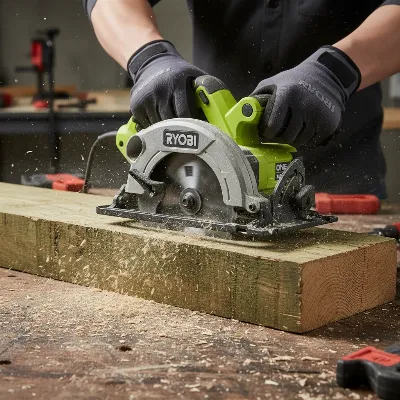
 Person demonstrating safe use of a Ryobi ONE+ 18V Cordless Circular Saw with safety gear
Practical Applications for the Ryobi ONE+ 18V
The versatility and portability of the Ryobi ONE+ 18V Cordless Circular Saw make it an invaluable tool for a wide range of practical applications, particularly within the realm of DIY projects and light professional work. Its cordless nature frees you from the constraints of power outlets, making outdoor projects and tasks in unfinished areas far more manageable.
Popular DIY Projects
- Shelving and Cabinetry: Precisely cut plywood, MDF, or solid wood boards to create custom shelving units, cabinet components, or storage solutions.
- Deck Building and Repair: Cut deck boards, joists, and railing elements to size with ease, even in areas without immediate power access.
- Flooring Installation: Efficiently trim laminate, engineered wood, or vinyl plank flooring to fit rooms of any shape.
- Framing and Stud Work: While not a heavy-duty framing saw for constant professional use, it handles cutting 2x4s and 2x6s for small framing projects, shed construction, or non-load-bearing walls.
- Plywood and OSB Sheet Cutting: Break down large sheets of material for various projects, from subflooring to workbench tops, with good accuracy.
- Outdoor Projects: Perfect for garden beds, planter boxes, fencing repairs, and other yard work where corded tools are inconvenient.
Beyond the Home
In construction, woodworking, and even some light mechanical applications, the Ryobi ONE+ 18V serves as an excellent secondary saw for quick, precise cuts that don’t require the sustained power of a corded or larger professional tool. It’s often the go-to for punch-list items on a job site, quick crosscuts for trim work, or making minor adjustments to materials. Its lightweight design and maneuverability make it ideal for overhead work or cutting in tight spaces where a heavier, corded saw would be cumbersome. While not designed for continuous, industrial-scale metal cutting or masonry, with the correct specialty blades, it can handle occasional cuts in thinner non-ferrous metals or plastic pipes for plumbing or electrical work.
Conclusion
The Ryobi ONE+ 18V Cordless Circular Saw series offers a compelling package for anyone needing a reliable, versatile, and budget-friendly cutting tool. Its strong performance for DIY tasks, combined with the extensive ONE+ battery ecosystem, makes it a stand-out choice for homeowners, hobbyists, and light-duty professionals. While it may not outperform specialized, heavy-duty saws in every metric, its ergonomic design, respectable power, and excellent value proposition solidify its position as a top-tier option in the cordless circular saw market. From crafting bespoke furniture to tackling significant home renovations, the Ryobi ONE+ 18V brings both convenience and capability to your projects. Are you ready to experience the freedom and precision a cordless circular saw can bring to your next build?
Frequently Asked Questions
Is the Ryobi ONE+ 18V Circular Saw suitable for professional use?
The Ryobi ONE+ 18V Circular Saw, particularly the HP Brushless models, is best suited for prosumer and light professional use. While capable of handling many tasks, it might not provide the sustained power or extreme durability required for continuous, heavy-duty industrial applications compared to high-end professional-grade tools.
What kind of battery does the Ryobi ONE+ 18V Circular Saw use?
The Ryobi ONE+ 18V Circular Saw operates on any Ryobi ONE+ 18V lithium-ion battery. For optimal performance and longer runtimes, it is recommended to use Ryobi’s High Performance (HP) batteries, which are designed to maximize the output of brushless tools.
Can I cut through 2x4s with a Ryobi ONE+ 18V Circular Saw?
Yes, the Ryobi ONE+ 18V Circular Saw, especially models with a 6-1/2 inch or 7-1/4 inch blade, is perfectly capable of cutting through standard 2×4 lumber. It can also handle deeper cuts up to its maximum capacity, which is typically around 2-1/2 inches at a 90-degree angle.
Are Ryobi circular saws known for their accuracy?
Ryobi circular saws generally offer good accuracy for their price point, especially with careful setup and the use of a guide. While some specific models have had noted issues with rip fence accuracy, the improved depth scales and ergonomic designs in newer HP Brushless models contribute to a better line of sight and overall control, allowing for precise cuts in most applications.
What is the advantage of a brushless motor in a cordless circular saw?
A brushless motor offers several key advantages, including increased power, longer runtime per battery charge, and extended motor life due to less friction and heat. For a cordless Circular Saw like the Ryobi ONE+ 18V HP models, this means more efficient cutting and a more durable tool.