The circular saw is an indispensable tool for any DIY enthusiast or professional, a true workhorse in the workshop. Its power and portability make it ideal for tackling countless projects, from framing a new deck to custom-building shelves. Yet, for all its utility, achieving that perfectly straight, professional-grade cut can sometimes feel like an elusive goal, leading to frustration and wasted materials. Many users struggle with wobbly lines and imprecise edges, undermining the quality of their craftsmanship. This comprehensive guide aims to demystify the art of straight cutting with a circular saw, equipping you with the knowledge and techniques to make every cut count. We’ll explore everything from understanding your saw and choosing the right accessories to mastering advanced cutting methods and prioritizing safety, ensuring your DIY projects consistently boast clean, accurate results.
Understanding the Circular Saw
A circular saw is a versatile power tool that utilizes a rapidly spinning, toothed or abrasive disc blade to cut through various materials, including wood, metal, plastic, and masonry. Developed in the late 18th century, these saws became common in sawmills by the mid-19th century and have since evolved into the indispensable hand-held units we know today.
Compared to other cutting tools like handsaws or jigsaws, circular saws offer superior speed and efficiency for long, straight cuts, and can handle thicker materials. However, their raw power also means that precision requires careful technique and often, the aid of guides. Key components include the blade, the motor, the baseplate (or shoe) that rests on the workpiece, a retractable blade guard for safety, and depth and bevel adjustments for versatile cutting angles.
Types of Circular Saws
Circular saws come in various forms, each suited for different tasks and user preferences. Understanding these distinctions is crucial for selecting the right tool and maximizing its potential.
By Power Source
Circular saws are primarily categorized by their power source:
- Corded Circular Saws: These saws connect directly to a power outlet, offering continuous, reliable power for extended projects without the need for battery changes. They often provide more raw power and consistent performance, making them ideal for heavy-duty tasks or jobs where power access is not an issue.
- Cordless Circular Saws: Powered by rechargeable batteries, cordless models offer unparalleled portability and flexibility, especially when working in areas without easy access to electrical outlets. While battery technology has advanced significantly, cordless saws may have slightly less sustained power than their corded counterparts and require battery management, making them perfect for quick tasks or remote job sites.
|
Our Picks for the Best Circular Saw in 2026
As an Amazon Associate I earn from qualifying purchases.
|
||
| Num | Product | Action |
|---|---|---|
| 1 | Makita 5377MG 7-1/4" Magnesium Hypoid Saw |

|
| 2 | Cordless Circular Saw 6-1/2" for Makita 18V Battery (Not Inclued), 4500RPM Power Circular Saws w/Laser Guide, 0-45° Bevel Capability, Max 2-3/16" Depth, Electric Saw for Wood Plastic |
|
| 3 | RYOBI Circular Saw CSB125 13-Amp 7-1/4 in. Electric (Renewed) |
|
| 4 | Mini Circular Saw, 4Amp 3500RPM Corded Compact Saw with 4-1/2" 24T TCT Blades, Laser Guide, Rip Guide, Vacuum Adapter and Blade Wrench, Max Cutting Depth 1-11/16"(90°), 1-1/8"(45°) |
|
| 5 | RIDGID 18V SUBCOMPACT BRUSHLESS Cordless 6-1/2 in. Circular Saw Tool ONLY R8656B |
|
| 6 | Makita 5477NB 7-1/4" Hypoid Saw |
|
| 7 | Ridgid ZRR32104 THRUCOOL 7-1/4 in. Worm Drive Saw (Renewed) |
|
| 8 | Ryobi 14 Amp 7-1/4" Adjustable Electric Circular Saw w/Exactline Laser | CSB135L |
|
| 9 | RIDGID 18V Cordless 6 1/2 in. Circular Saw (Tool Only) |
|
| 10 | Seesii Mini Circular Saw with Laser Guide,4.8A 4000 RPM Compact Corded Circular Saw with Rip Guide,3 Blades (4-1/2") for Wood,Soft Metal,Tile,Plastic Cutting,Max Cut Depth 1-11/16"(90°),1-1/8" (45°) |
|
By Design
The internal design of a circular saw significantly impacts its ergonomics and cutting characteristics:
- Sidewinder (Direct Drive) Saws: These are the most common type, with the motor positioned directly beside the blade. They are generally lighter and more compact, making them easier to maneuver for overhead work or quick cuts. The blade is often on the right side, though left-bladed models are increasingly popular for better sightlines for right-handed users.
- Worm Drive Saws: Featuring a motor positioned at a 90-degree angle to the blade, worm drive saws use gears to deliver increased torque, making them excellent for heavy-duty cutting through thick or dense materials like wet lumber or stacked plywood. They are typically heavier and longer than sidewinders but offer superior power and often have the blade on the left side, which can improve visibility.
By Size and Purpose
Circular saw size typically refers to the diameter of the blade it accommodates, which directly influences the maximum cutting depth.
- Standard Sizes: The most common blade size is 7-1/4 inches, offering a good balance of cutting depth and maneuverability for most DIY and construction tasks. Larger saws (e.g., 8-1/4 inches or 10 inches) are designed for cutting thicker materials, while smaller compact or mini circular saws (e.g., 4-1/2 or 5-1/2 inches) are ideal for light-duty tasks, intricate work, or cutting in tight spaces.
- Specialized Blades: Beyond general wood cutting, circular saws can be fitted with specific blades for metal, plastic, masonry, and even tile, vastly expanding their versatility for various projects.
Reputable Circular Saw Brands
When investing in a circular saw, choosing a reputable brand ensures quality, durability, and access to support. Several manufacturers consistently produce top-tier circular saws for both DIYers and professionals:
- Makita: Known for their precision, ergonomic design, and advanced cordless technology, Makita saws often deliver a smooth, refined cutting experience. Their 40V max XGT brushless systems offer impressive speed and power.
- Bosch: Bosch tools are celebrated for their robust construction and powerful motors, often featuring high RPMs for fast, clean cuts. The Bosch CS5, for instance, is noted for its exceptional blade speed.
- Milwaukee: A favorite among professionals, Milwaukee’s M18 Fuel line provides powerful cordless solutions, especially their rear-handle models, which offer excellent cutting speed and thoughtful design.
- DeWalt: Offering a broad range of corded and cordless options, DeWalt circular saws are recognized for their durability, power, and comfortable grips, with models like the FlexVolt 60V Max delivering significant cutting capability.
- Skil/Skilsaw: Skil and its professional-grade counterpart, Skilsaw, have a long history in the circular saw market. Skil offers reliable and affordable options for DIYers (e.g., Skil 5280-01), while Skilsaw’s worm drive and sidewinder models are highly regarded by professionals for their powerful motors and robust build.
- Metabo HPT: This brand is praised for innovative designs, including lightweight cordless options that can be adapted for corded use. Their 36V MultiVolt system offers excellent power-to-weight ratios.
- Ryobi: A strong contender in the homeowner segment, Ryobi provides capable and budget-friendly circular saws, often lauded for their controllability and accuracy, especially in their smaller cordless models.
- Flex: A newer entrant, Flex has quickly made a name for itself with powerful 24V cordless tools, boasting impressive cutting speeds and thoughtful features that challenge more established brands.
Mastering Straight Cuts with Your Circular Saw
Achieving perfectly straight cuts with a circular saw transforms your DIY projects from amateur to professional. It’s less about innate skill and more about employing the right techniques and guides.
The Importance of a Clean Setup
Before any cut, a stable and clear workspace is paramount. Ensure your workpiece is securely clamped to a solid workbench or sturdy sawhorses, preventing any movement or vibration that could throw your cut off course. For larger sheets, consider using a sacrificial foam board underneath to support the entire piece, which prevents sag and splintering while allowing the blade to cut completely through without damaging your work surface. Always clearly mark your cut line with a sharp pencil or a scribe.
Using Guides for Precision
The secret to consistently straight cuts lies in using a reliable guide. Trying to “eyeball” a long cut with a circular saw is a recipe for frustration.
-
Speed Square for Crosscuts: For shorter crosscuts across the grain or square cuts, a speed square is an indispensable tool. Align the square’s fence firmly against the edge of your board. Position the square so your saw’s blade aligns precisely with your cut mark. Hold the square firmly and press the saw’s baseplate against its edge, maintaining constant lateral pressure as you cut. This keeps the saw from deviating, ensuring a perfect 90-degree cut.
-
The Clamp-and-Straightedge Method: For longer cuts, a straight piece of material like a level, a metal rule, or a specialized aluminum straightedge can serve as an effective guide. The key here is to accurately calculate the “offset.” This is the distance from the edge of your saw’s baseplate to the blade itself. Measure this distance precisely. If your cut line is at 10 inches from the edge of your workpiece, and your saw’s offset is 1.5 inches, you must clamp your straightedge at 11.5 inches from that same edge. Align the straightedge at both ends of your measured offset line and clamp it firmly. Then, simply run your saw’s baseplate along the straightedge.
-
DIY Circular Saw Guide (Shooting Board/Door Board): This self-made jig provides track-saw-like accuracy without the expense. To build one, take a strip of 1/2-inch plywood or MDF (about 12 inches wide) for the base and a perfectly straight piece of 3/4-inch plywood (about 3 inches wide) for the fence. Glue and screw the fence onto the base, ensuring it’s perfectly straight. Then, run your circular saw along this fence, cutting off the excess baseboard. The edge you just created is now the exact path your blade takes. To use, simply align this newly cut edge of the jig with your pencil marks on the workpiece, clamp it down, and make your cut. This method also minimizes tear-out by supporting the wood fibers right up to the blade.
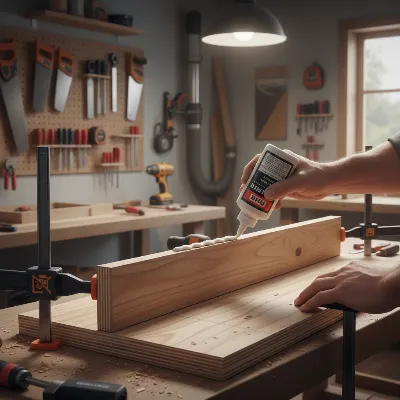 DIY circular saw guide for straight cuts, showing assembly and use
Techniques for Consistent Cuts
Even with a guide, proper cutting technique is crucial for a smooth, straight result.
- Blade Alignment: Many circular saws have notches on the shoe for 90-degree and 45-degree cuts. Use these to align your blade with your cut line before starting.
- Full Speed Before Contact: Always allow the saw blade to reach its full rotational speed before it contacts the material. This prevents jerking, splintering, and helps the blade cut cleanly from the start.
- Constant Pressure and Steady Motion: Hold the saw firmly with both hands and apply steady, consistent forward pressure. Avoid forcing the saw through the material; let the blade do the work. If you feel resistance, you might be pushing too hard, or your blade might be dull.
- Maintain Shoe Contact: Keep the saw’s baseplate flat and in solid contact with the workpiece throughout the entire cut. Lifting the back of the saw shoe can lead to incorrect depth, a wandering cut, or even dangerous kickback.
- Sharp Blades are Essential: A sharp, clean blade is fundamental for straight, smooth cuts. Dull blades cause the saw to bind, overheat, and struggle, increasing the likelihood of off-line cuts and kickback. Ensure the blade type matches your material (e.g., framing blade for rough lumber, fine-tooth for plywood).
Choosing the Right Circular Saw (Buying Guide)
Selecting the ideal circular saw involves considering your specific needs, the features that matter most, and your budget.
Assessing Your Needs
- Personal, Home, or Industrial Use: For occasional DIY projects, a basic 7-1/4 inch corded sidewinder or an entry-level cordless model might suffice. Professionals tackling daily tasks will benefit from the power and durability of a worm drive saw or a high-performance cordless option.
- Project Types: Consider the materials you’ll primarily be cutting. Wood, metal, or masonry? Thick lumber or thin sheet goods? This will influence the blade size and power requirements.
Key Features to Consider
- Power (Amps/Volts): Higher amperage (for corded saws) or voltage (for cordless saws) generally translates to more cutting power, which is vital for denser materials or longer cuts.
- Blade Size: As discussed, this dictates maximum cutting depth. A 7-1/4 inch blade is a versatile choice for most.
- Blade Brake: An electric brake stops the blade quickly after the trigger is released, a significant safety feature that also speeds up workflow.
- Dust Collection: A dust port that can connect to a shop vacuum helps keep your workspace clean and improves visibility of the cut line.
- Blade-Left vs. Blade-Right: Depending on your dominant hand and preferred cutting style, the blade’s position can affect sightlines. Right-handed users often prefer a left-bladed saw for better visibility.
- Ergonomics and Weight: A comfortable grip and manageable weight reduce fatigue, especially during extended use or overhead cuts.
Budgeting
Circular saws range widely in price. Entry-level models from brands like Ryobi or Skil offer excellent value for casual users. Mid-range saws from DeWalt or Bosch provide a balance of features and performance, while high-end professional tools from Makita or Milwaukee represent a significant investment but deliver superior power, durability, and advanced features.
Where to Buy and Inspect
Purchase from reputable retailers, whether online or in brick-and-mortar stores. If buying in-person, check the saw’s balance, handle comfort, and the smooth operation of adjustments and guards. Online purchases offer convenience, but always verify the return policy.
Safe Circular Saw Operation and Maintenance
Safety is paramount when operating any power tool, especially a circular saw. Adhering to safety protocols not only protects you but also ensures better, more controlled cuts.
Essential Safety Gear
Always wear appropriate personal protective equipment (PPE):
- Eye Protection: Safety glasses or goggles with side shields are non-negotiable to protect against flying debris.
- Hearing Protection: Circular saws can be loud; earplugs or earmuffs prevent long-term hearing damage.
- Dust Mask/Respirator: Cutting wood and other materials generates fine dust that can harm your lungs.
- Heavy-Duty Gloves: Provide a firm grip and protect your hands from splinters and minor abrasions, but ensure they don’t interfere with saw controls.
- Appropriate Clothing: Avoid loose clothing, jewelry, or long, untied hair that could get caught in moving parts.
Pre-Operation Checklist
Before powering up your saw, take a moment for these checks:
- Workspace: Ensure your cutting area is well-lit, clear of obstructions, and your workpiece is securely clamped.
- Blade Condition: Verify the blade is sharp, clean, and free of damage (bends, cracks, missing teeth). A dull or damaged blade is a safety hazard and will yield poor cuts.
- Guard Function: Check that the lower blade guard retracts smoothly during a cut and springs back to cover the blade teeth fully when the saw is not in use.
- Power Cord: If using a corded saw, ensure the power cord and any extension cords are in good condition, out of the blade’s path, and long enough to complete your cut without strain.
Preventing Kickback
Kickback is one of the most common and dangerous circular saw incidents. It occurs when the blade binds in the material, causing the saw to violently jump back towards the user.
- Support the Workpiece: Always support the workpiece adequately, especially large panels, so the cut-off piece doesn’t pinch the blade as it separates.
- Sharp, Correct Blade: A sharp blade designed for the material you’re cutting will glide through cleanly, reducing binding.
- Proper Stance: Stand to the side of the saw, not directly behind it, to avoid the path of potential kickback. Maintain a balanced stance with both hands firmly on the saw handles.
- Don’t Force the Saw: Let the blade’s speed and sharpness do the work. Forcing the saw can cause it to bind.
- Never Remove Saw While Blade is Spinning: If you need to stop a cut mid-way, release the trigger, allow the blade to stop completely, and then carefully back the saw out.
Blade Changes and Maintenance
- Always disconnect the saw from its power source before changing blades or performing any maintenance.
- Keep the saw clean, especially the motor vents and blade guards, to ensure proper function and prevent overheating.
- Regularly inspect your saw for any loose parts or signs of wear and tear.
> “Safety isn’t just a rule; it’s the foundation of every successful and enjoyable DIY project. A moment of carelessness can have lasting consequences.” – John Peterson, Master Carpenter and Woodworking Instructor
 Circular saw safety gear including glasses, earmuffs, mask, and gloves
Practical Applications Beyond Straight Cuts
While mastering straight cuts is a primary goal for any circular saw user, the tool’s versatility extends far beyond. A circular saw can perform a variety of cuts, making it indispensable for countless projects:
- Crosscuts: Cutting across the grain of wood or the width of a board, essential for sizing lumber.
- Rip Cuts: Cutting along the grain or the length of a board, used for narrowing boards or creating strips.
- Bevel Cuts: Angled cuts through the thickness of the material, common for creating mitered edges on trim, frames, or deck boards. Most circular saws allow the baseplate to tilt for various bevel angles, typically up to 45 or 50 degrees.
- Miter Cuts: Angled cuts across the face of the material, though more precise miter cuts are usually done with a miter saw, a circular saw can achieve basic angles.
- Cutting Various Materials: With the right blade, a circular saw can cut through plywood, MDF, dimensional lumber, PVC, metal studs, and even concrete or stone with abrasive blades, making it invaluable in construction, cabinetry, and home renovation.
From building custom shelving and installing new flooring to framing a shed or cutting fence pickets, a circular saw is a powerhouse tool that allows DIYers to tackle ambitious projects with confidence and efficiency.
Conclusion
The circular saw stands as a shows practical engineering, offering unparalleled speed and versatility for a wide array of cutting tasks. Mastering the art of making consistently straight cuts with this powerful tool is not about innate talent but rather a combination of understanding your saw, employing reliable guides, and practicing meticulous technique. From leveraging the simplicity of a speed square for quick crosscuts to constructing a precise DIY cutting jig for long rip cuts, these methods empower you to improve your raw materials into professional-looking components.
Always that safety is the cornerstone of effective tool use. Equipping yourself with the right protective gear, maintaining your saw, and adhering to safe operating procedures will not only prevent accidents but also enhance your confidence and the quality of your work. By embracing these principles, you unlock the full potential of your circular saw, elevating your DIY capabilities and making every project a shows precision and craftsmanship. What exciting project will you tackle next, now that you’re armed with the knowledge to make perfectly straight cuts?
Frequently Asked Questions
Why are my circular saw cuts not straight?
Circular saw cuts often become crooked due to inconsistent pressure, a dull blade, the saw wandering off the marked line, or an unsupported workpiece. Lack of a proper guide or rushing the cut are also common culprits that lead to imprecise results.
Can I cut straight without a guide?
While possible for very experienced users on short cuts, consistently straight cuts with a circular saw are extremely difficult to achieve freehand, especially on longer materials. For reliable precision, using a guide like a speed square, clamped straightedge, or a DIY jig is highly recommended.
What is the best type of guide for a circular saw?
The “best” guide depends on the cut. A speed square is excellent for quick, accurate crosscuts. For long rip or crosscuts on sheet goods, a DIY circular saw guide (shooting board) or a clamped straightedge offers superior precision, mimicking the accuracy of a track saw system.
How do I calculate the offset for a straight edge guide?
To calculate the offset, measure the exact distance from the edge of your saw’s baseplate to the nearest side of the blade (the modern). When using a straightedge, clamp it to your workpiece at this offset distance away from your desired cut line, ensuring the blade will cut precisely on the mark when the baseplate runs along the guide.
How deep should I set my circular saw blade?
Set the blade depth so that it extends just slightly below the material you are cutting, typically about 1/8 to 1/4 inch. This minimizes the exposed blade, reducing the risk of kickback and tear-out, while still ensuring a complete cut.
